Skip to content

Posts tagged ‘Wiltshire’

Red Mason Bee

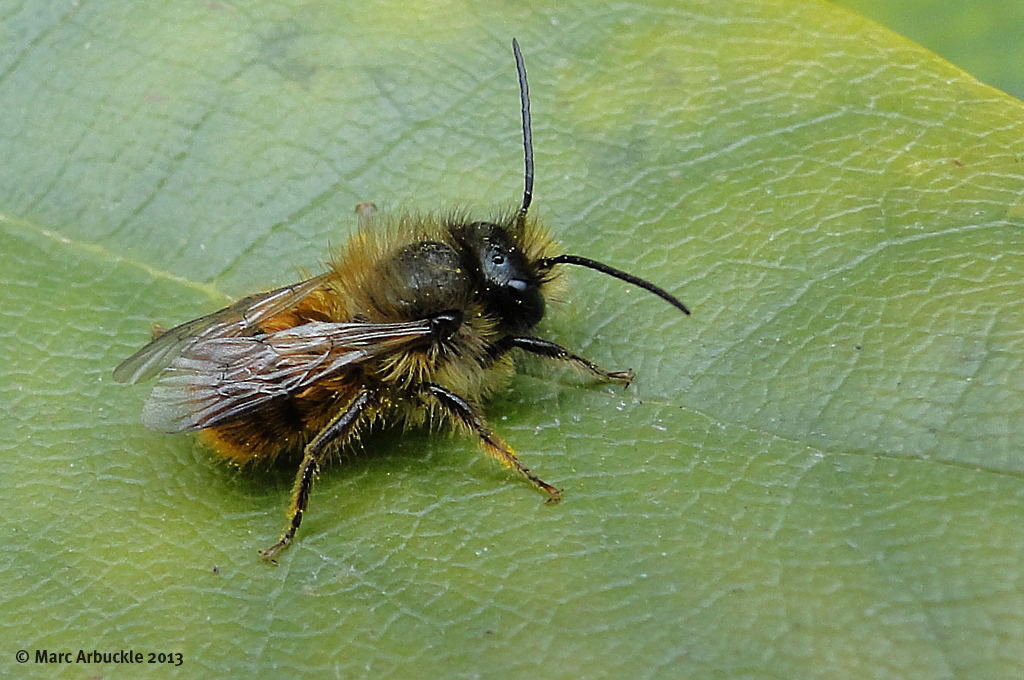
Red Mason Bee – Osmia bicornis (Male)

Osmia bicornis – male

I really look forward to seeing these handsome little chaps each year. The Red mason bee Osmia bicornis is a species of solitary bee often seen in spring and early summer, usually from late March to early June, although this year due to the very cold weather they’ve been a little late. The males appear first, up to two weeks before the females and so like the male pictured above they spend a fair bit of time preening and sunbathing before the girls arrive.

These are extremely friendly bees. The male has no sting and the female will only sting if handled very roughly and even then the sting is very mild in comparison to the sting of a wasp, bumblebee or honey-bee. So these are good bees for children to get up close to and observe. Read more
Sunbathing hoverfly

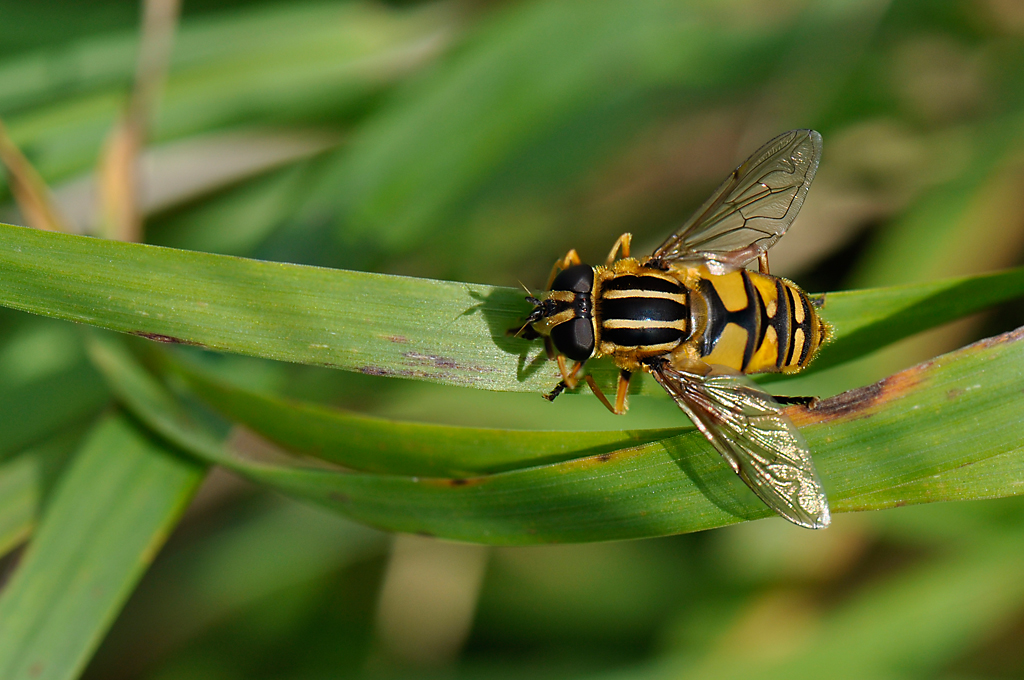
Hover-fly Helophilus pendulus

Helophilus pendulus

I took this photo of the Hoverfly Helophilus pendulus last September. Hoverflies seem to enjoy the sunshine and can often be found sunbathing. I believe this is the female. This species which is often found in gardens can be identified by its yellow face and black stripe between the eyes and the distinctive longitudinal stripes on its thorax.  Read more

Mother Shipton

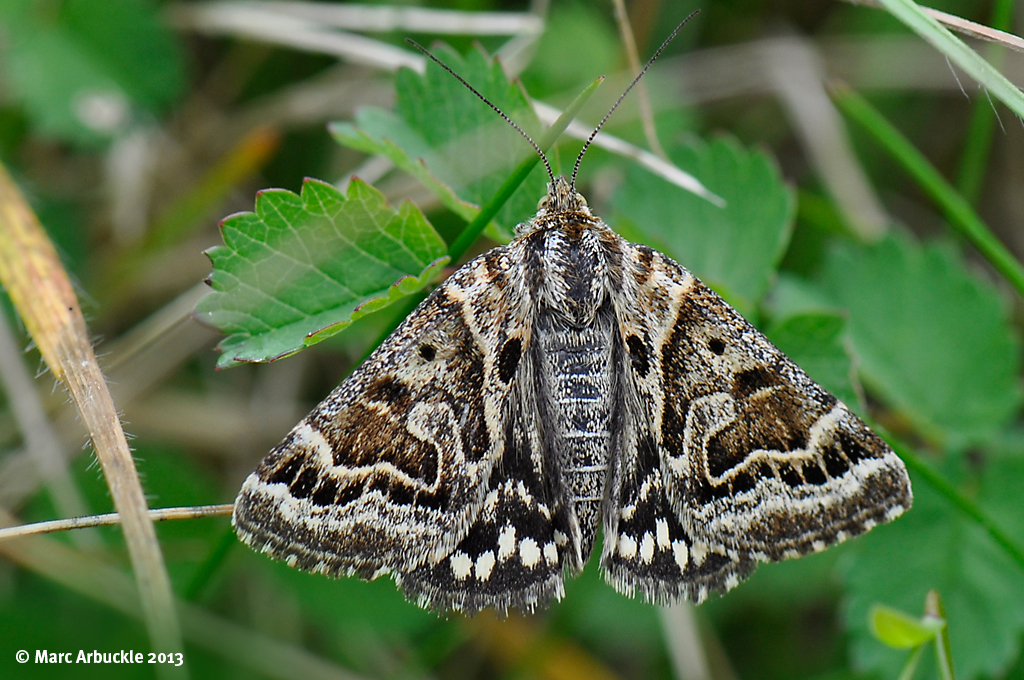
Mother Shipton Moth – Callistege mi

Callistege mi

One of the more unusual day flying moths I’ve encountered on Morgans Hill is the Mother Shipton Callistege mi which has a very distinctive cream-edged dark brown central blotch on each forewing which is said to resemble the face of an old hag or witch. Look and you’ll see a beady eye, long hooked nose, downturned mouth and knobbly chin. Read more

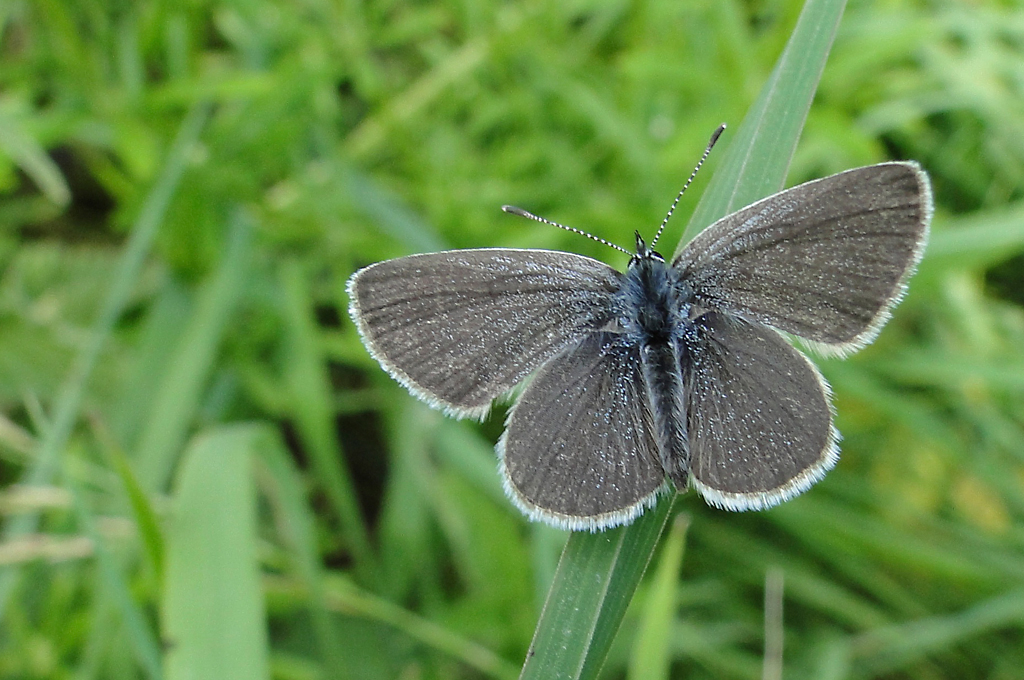
Small Blue – our smallest butterfly

Cupido minimus – Male

Cupido minimus – Male

When I saw my first Small Blue Cupido minimus I was surprised at just how tiny it is. The wingspan of our smallest butterfly can be as little as 16mm, so it’s well named. It’s rare though, being no more than locally common even in its strongholds of Gloucestershire, Wiltshire, Dorset and the Isle of Wight. Here in Wiltshire up on Morgan’s Hill I’ve only come across it in one sheltered spot and even there it’s largely confined to the base of one steep bank. Read more

Identifying digger

Cerceris rybyensis

Cerceris rybyensis – Male

I took this photo of this tiny little wasp in my garden back in early July but afterwards really struggled to identify it. My well-thumbed Guide to the Insects of Britain and Europe failed me. I didn’t even get to a genus, although I was pretty sure it was some kind of Digger Wasp. I had a look on the BWARS site, the website of the Bees, Wasps and Ants Recording Society http://www.bwars.com but blanked again. Read more

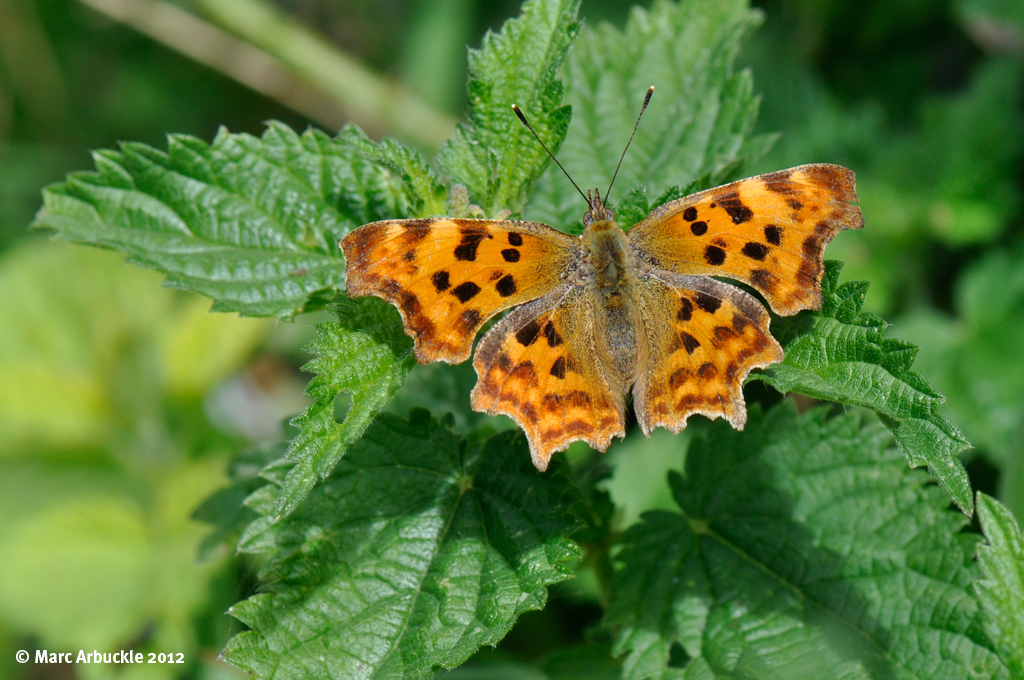
A female comma

Comma Butterfly – Polygonia c-album (Female)

Polygonia c-album – Female

The Comma Polygonia c-album is one of the earliest butterflies you might encounter each spring. I saw my first this year on the 25th March. Generally I’m sad to say that for many butterfly species numbers are in decline and this extremely wet summer really hasn’t helped. However, the Comma is one of our few butterfly success stories. Just over a century ago it was on the verge of extinction in Britain with fewer than half a dozen records in many southern counties. Then, just after the First World War it started to recover again. No one is really sure why it declined or why it has recovered but since the 1950s it has expanded its range rapidly making this raggedy-winged butterfly an increasingly common sight again, even in gardens. Read more

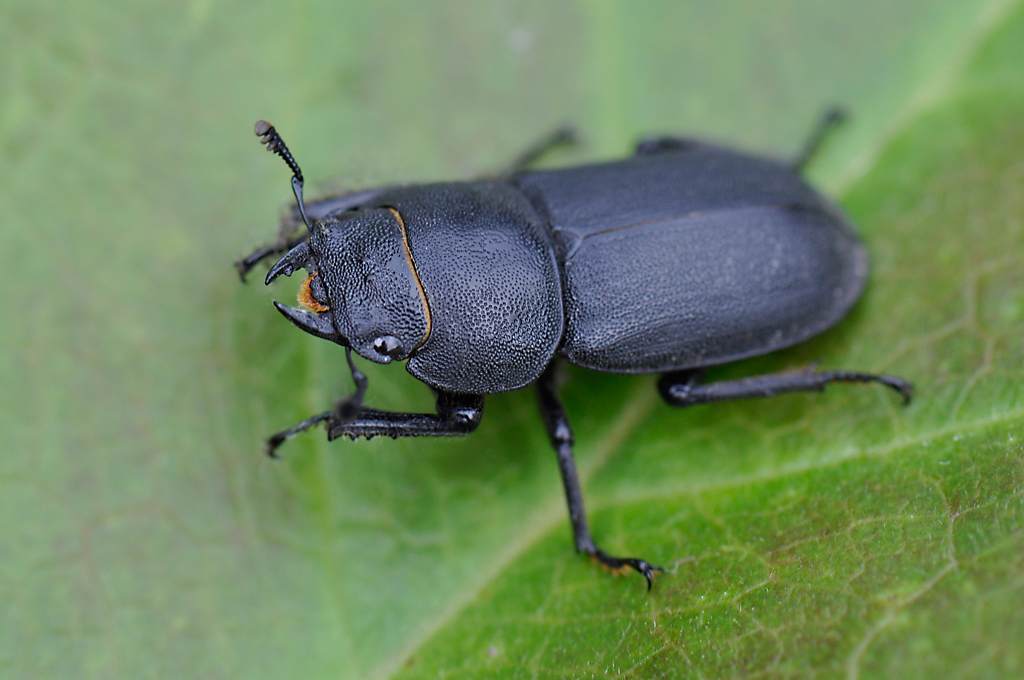
Lesser Stag Beetle

Dorcus parallelipipedus – Male

Dorcus parallelipipedus – Male

It’s a funny old business this entomology lark. I came across this large beetle whilst carrying out my monthly Riverfly survey on the River Og in Marlborough. After a bit of research I discovered it was a Lesser Stag Beetle Dorcus parallelipipedus which is normally found in deciduous woods. It feeds on sap and breeds in rotting stumps, particularly Ash, Beech and Apple. Then a week later I found one walking across my kitchen floor. Well there are no trees in the kitchen but the units themselves are certainly in a state of decay. Shortly they will find themselves in a recycling skip. The time has come to install the new kitchen that has been stacked in the lounge for the past 3 years. Read more

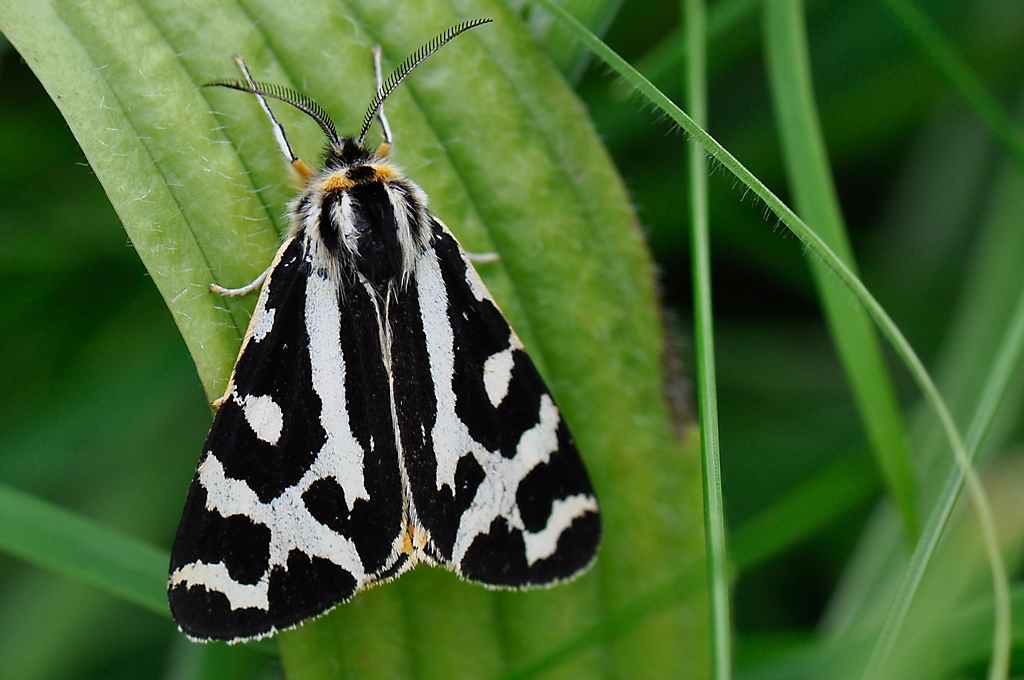
There’s a tiger in the wood

Wood Tiger

Parasemia plantaginis – Male

You’ve probably gathered I’m pretty much a novice when it comes to butterflies. Well then it’ll come as no surprise that I’m even more so when it comes to moths. However, when I’m out surveying, particularly at Morgans Hill, I quite often see a few day-flying macro moths like this fantastic Wood Tiger Parasemia plantagins but if anything they’ve proved even harder to photograph. One afternoon I saw four of these, yet as soon as I brought my macro lens anywhere near they were off, catching the wind like little kites and then arching through the air 30 or 40 feet at a time. Most of the time I soon lost track of them across the steep terrain. But I guess eventually I had to get lucky and eventually I did. This little male sat still for a split second longer than usual and here’s the result. Read more

Viviparous Lizards

Viviparous Lizard - Female

Zootaca vivipara – Female

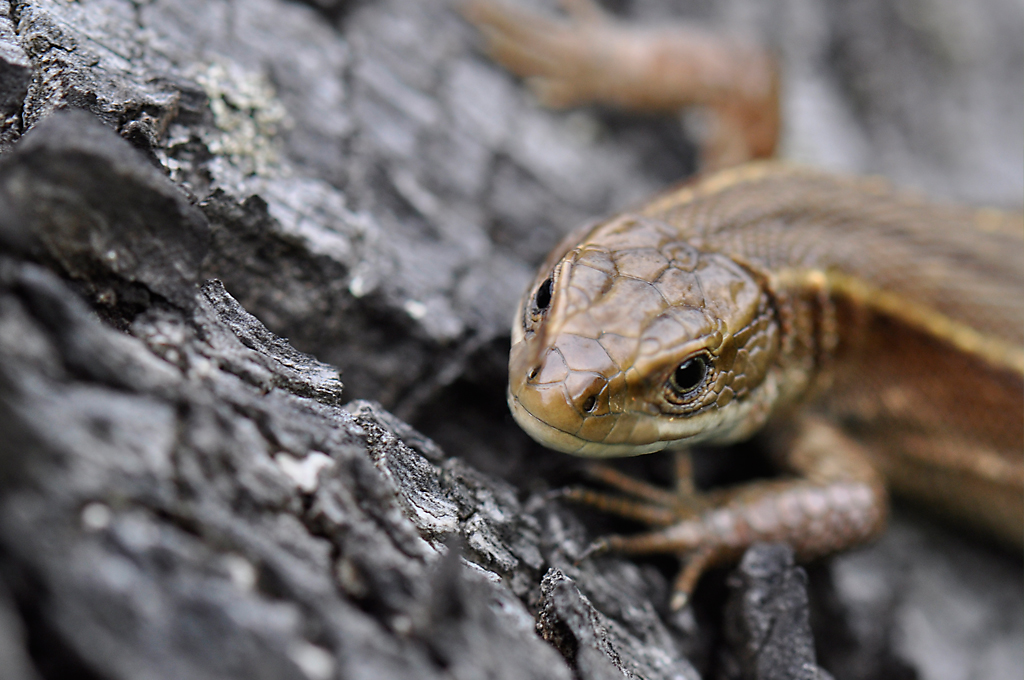
Whilst looking for butterflies in Bentley Wood I came across quite a few Viviparous Lizards Zootaca vivipara basking on some old grey tree stumps, clearly enjoying the sun. I must have seen over a dozen of them, plus many more scampering through the shorter dryer grass in the clearing. I find colour variation interesting and this is one species where both colour and pattern is quite variable. Read more

Marbled White

Marble White Butterfly

Melnargia galathea – Female

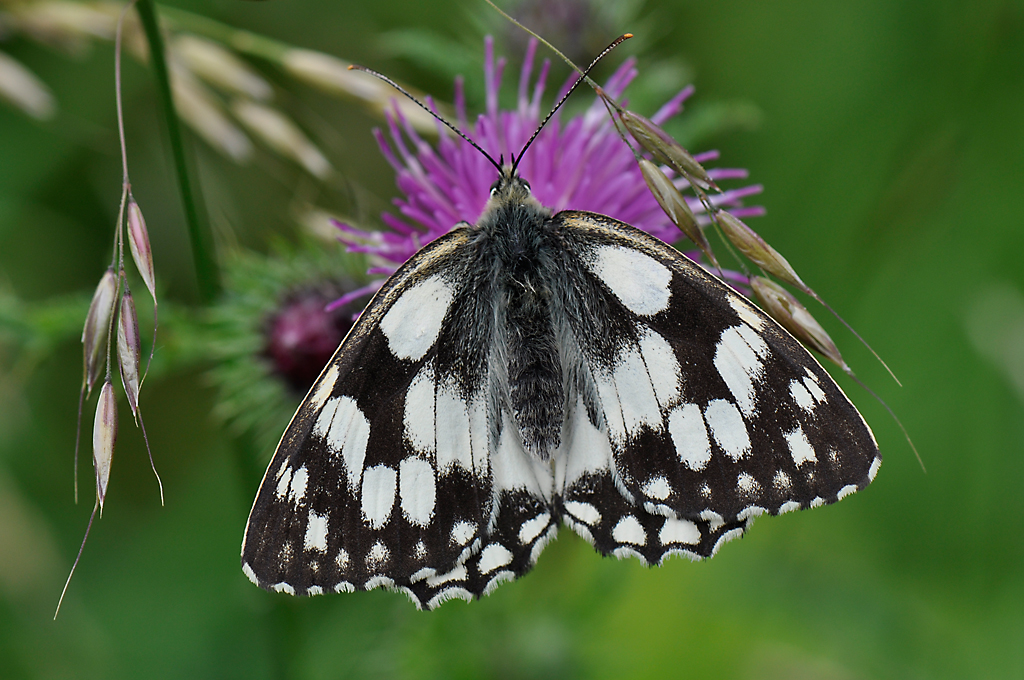
This morning I reluctantly trudged through the mud down to Jones’s Mill nature reserve to do my monthly Riverfly survey. To be honest I’m not always in the mood for it and sometimes would rather be doing something else, like laying in bed. It can get a bit monotonous in as much as I can pretty much predict the result and quantity of each of the eight species I’ll record. I guess there’s only so many river invertebrates you can count before you start to lose the will to live. Yet the sun was doing it’s best to steam some puddles and as I splashed across Big 40 towards the wood my mood was lifted by the sight of dancing butterflies, a mixture of orange-splashed Meadow Browns and bitter-chocolate Ringlets. To lift my damp spirits further, just as I started my first kick-sample I flushed a metallic blue-green Beautiful Demoiselle damselfly Calopteryx virgo from the reeds. Sadly my camera was in my rucksack. Not a lot of use in there is it? Read more