Skip to content

Posts tagged ‘Wiltshire’

Separating the pearls
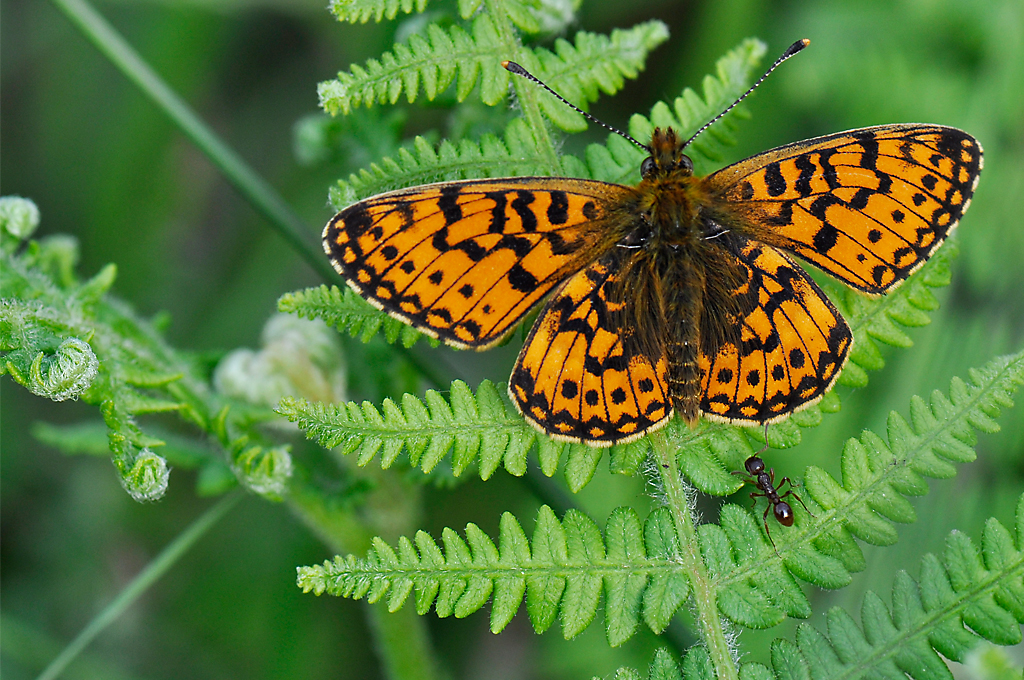
Small Pearl-bordered Fritillary

Boloria selente – Male

When I went to Bentley Wood a week or so ago now looking for a butterfly I’d never seen before I wasn’t quite sure what to expect or even where I’d find it. I was looking for the Pearl-bordered Fritillary Boloria euphrosyne but it was further complicated by the fact that the Small Pearl-bordered Fritillary Boloria selente was to be found there too and I’d never seen that before either. As it happened both were flying at the same time and to a novice like me both looked very similar. On my first visit I’d definitely spotted and photographed one of them, but which one? Read more
Searching for the duke

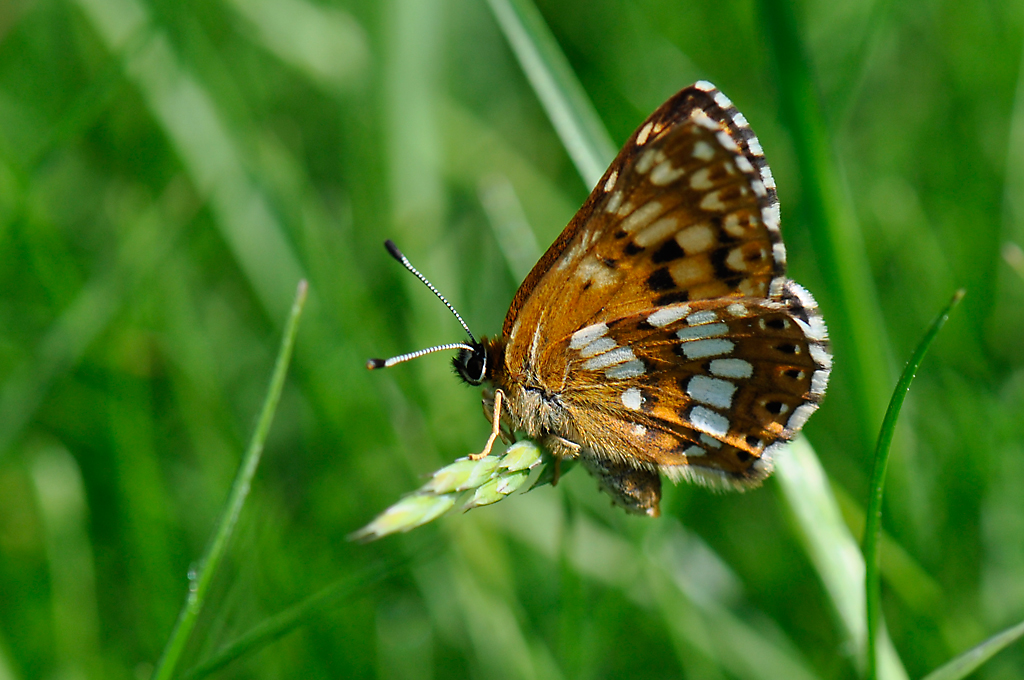
Duke of Burgundy butterfly - Side view

Hamearis lucina – Side view

Last April I saw my first ever Duke of Burgundy Hamearis lucina, or at least I’m pretty sure I did. To be fair all I saw was a fleeting flash of brown and orange. But then I was in the right place, ancient chalk downland, at roughly the right time, so I was reasonably confident, even for a novice.

Just over a year later, armed with two weeks’ leave and a new macro lens I was determined to do better. I’d read that the adults prefer mornings so I was out of bed and up on Morgans Hill before the dew had evaporated. My only concern was that the very wet April we’d just endured may have proved too much for them. With so few seen last year I was beginning to fear the worst. Read more

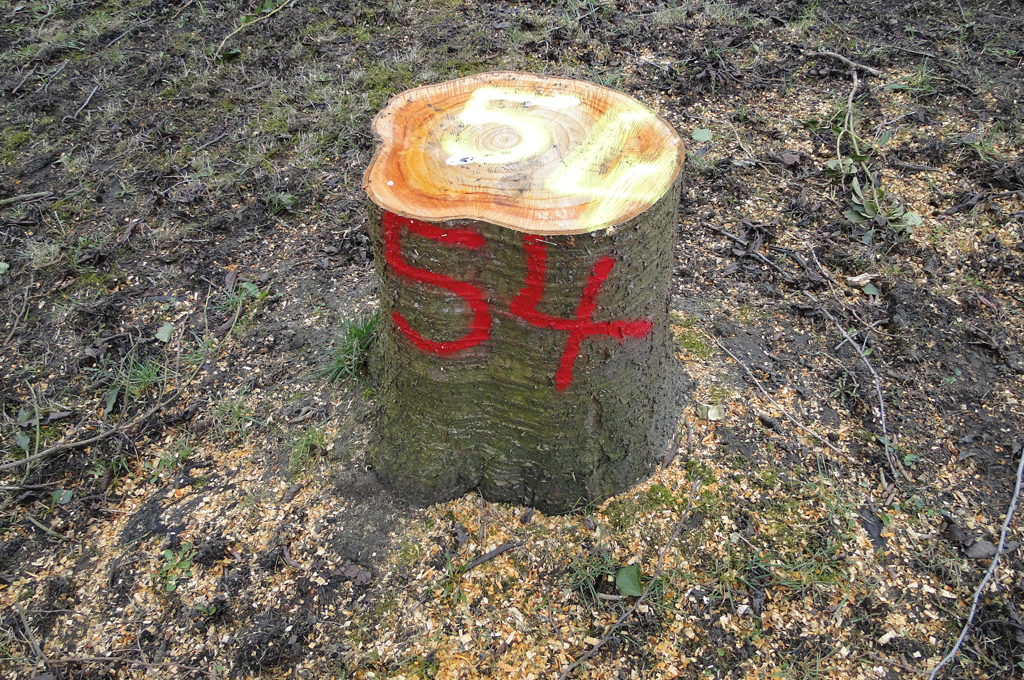
Rest in peace number 54

RIP number 54

This is the third year I’ve attended Paul Darby’s excellent Identifying Trees in Winter course at Ravensroost Wood and thankfully this time the weather was more kind to us. A male buzzard was clearly enjoying the sunshine, wheeling up into the clear blue to put on a spirited if early mating display. Gazing through yellow catkins we did our best to see if buds on twigs were opposite or alternate, whether the texture of bark was smooth or fissured, whilst the keener amongst us scrawled down notes or made quick sketches as an aide-mémoire. All this accompanied by a proper woodland soundtrack of nuthatch, coal tit, song thrush, spotted woodpecker and a tawny owl still up from a night terrorising voles. There were one or two trees I couldn’t identify, Wych Elm and Goat Willow, but overall I was pleased I had remembered far more than I had forgotten. Read more

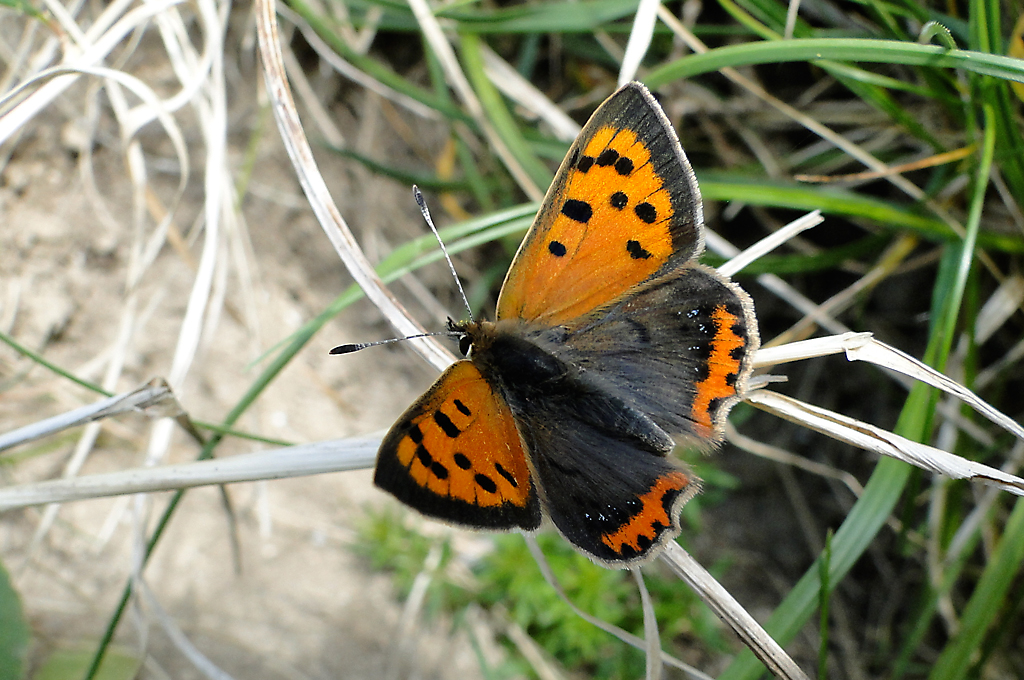
Small Copper

Small Copper Butterfly

Lycaena phlaeas – Male

As if I haven’t got enough to do I’ve now volunteered to do a butterfly survey each time I complete my monthly bumblebee survey at Morgans Hill. In truth it isn’t that much more work and as generally there are more butterflies than bumblebees it’ll make it more interesting. I’m not anywhere near as good at identifying butterflies as I’d like to be so I’m really looking forward to improving my knowledge. I’m ok with the more common ones but not quite so good with the rarer types.Above is a bit of a favourite of mine, the rather quarrelsome Small Copper Lycaena phlaeas. You might just about be able to pick out some faint blue speckled markings on the hind wings. When this makes a clearer line of blue dots this form is called caeruleopunctata. There is even a rare white and black albino form.