Skip to content

Blue-tailed Damselfly
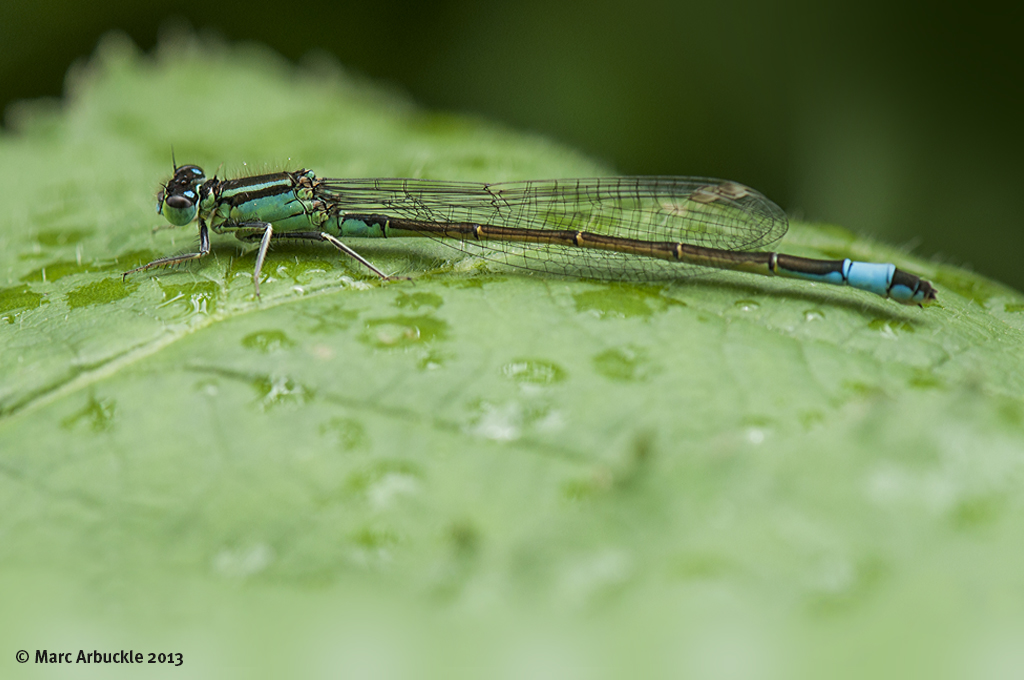
Blue-tailed Damselfly – Ischnura elegans

Ischnura elegans – Male

The weekend a couple of weeks back now didn’t start well. I drove to Martin Down in Hampshire hoping to see the Marsh Fritillary butterfly only to be greeted with wind and horizontal rain. Sitting in the car listening to Radio 4 didn’t help, nor did muttering to myself. Giggling at a couple of twitchers in bright blue anoraks carrying a tripod and scope large enough to zoom in on a bird in France amused me for a while. But hey, there’s only so much chortling you can do on your own in a car in the middle or nowhere before it begins to look weird, so I drove home again. On Sunday I awoke to a leaden sky and… drizzle. Much swearing ensued. Ever the optimist I set off to Langford Lakes for a Dragonfly walk and talk by Steve Brooks from the Natural History Museum, London. And what an interesting talk it proved to be. Read more
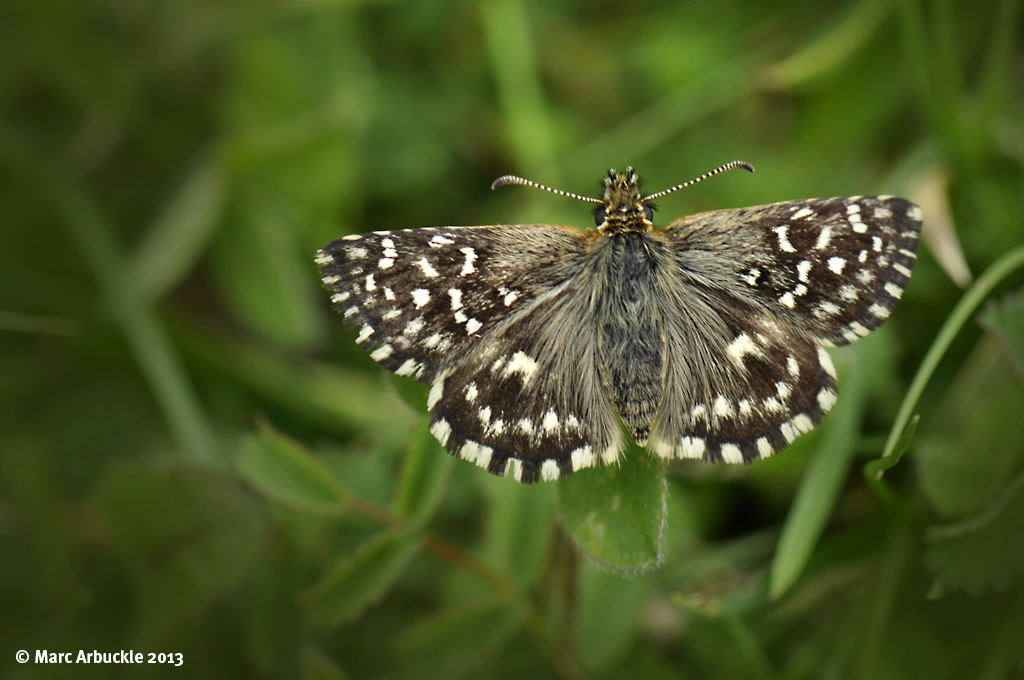
His Grace and The Grizzle

Grizzled Skipper Butterfly – Pyrgus malvae

Pyrgus malvae

Slowly working my way across a hillside covered in yellow cowslip searching for my first Duke of Burgundy butterfly of 2013 I notice a moth-like flicker of dark chocolate brown arc into the dry grass further up the slope. With my eyes fixed on the spot where it lands I move cautiously upwards to find a freshly emerged Grizzled Skipper Pyrgus malvae. It’s not ‘His Grace’ but a real stunner all the same and another first for my year list.

Read more

Pearly king

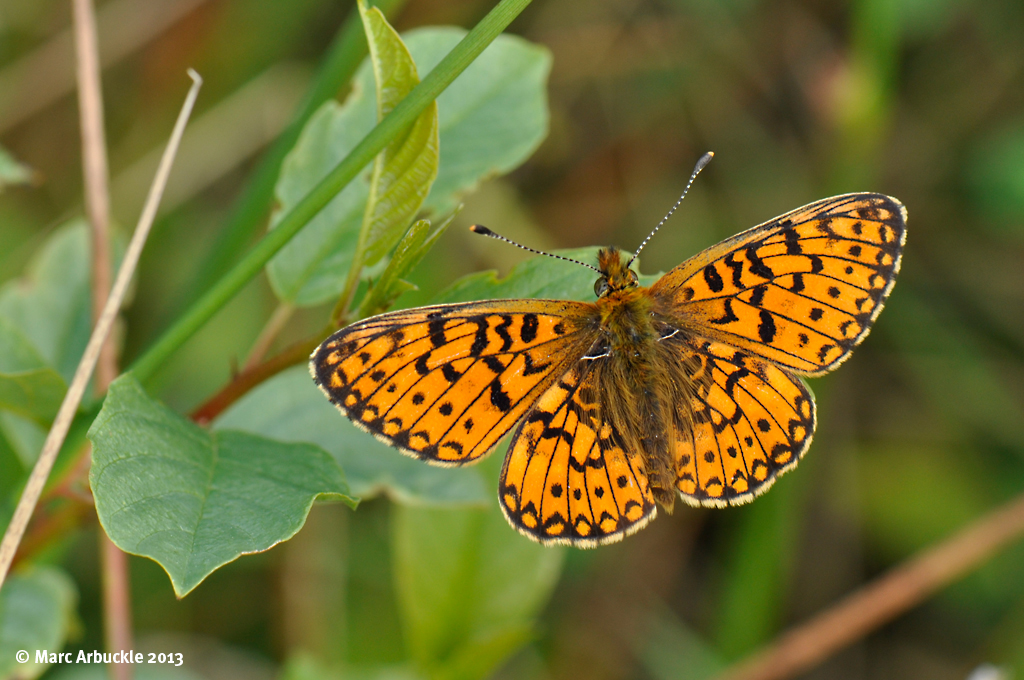
Small Pearl-bordered Fritillary – Bolaria selene

Bolaria selene – Male

This little orange firecracker is a Small Pearl-bordered Fritillary Boloria selene, a male I believe, photographed on the 9th June at Bentley Wood. This was one of the first butterflies I photographed last May when I got my macro lens and I can’t tell you how much I was looking forward to viewing the results. Particularly as this was a new species for me. What a disappointment then to discover the vast majority were either blurred or just slightly out of focus. To be fair I did manage to get a few decent shots, one of which was shortlisted for the Wiltshire Wildlife Trust’s 50th anniversary photographic competition, but believe me that was more down to luck than judgement.  Read more

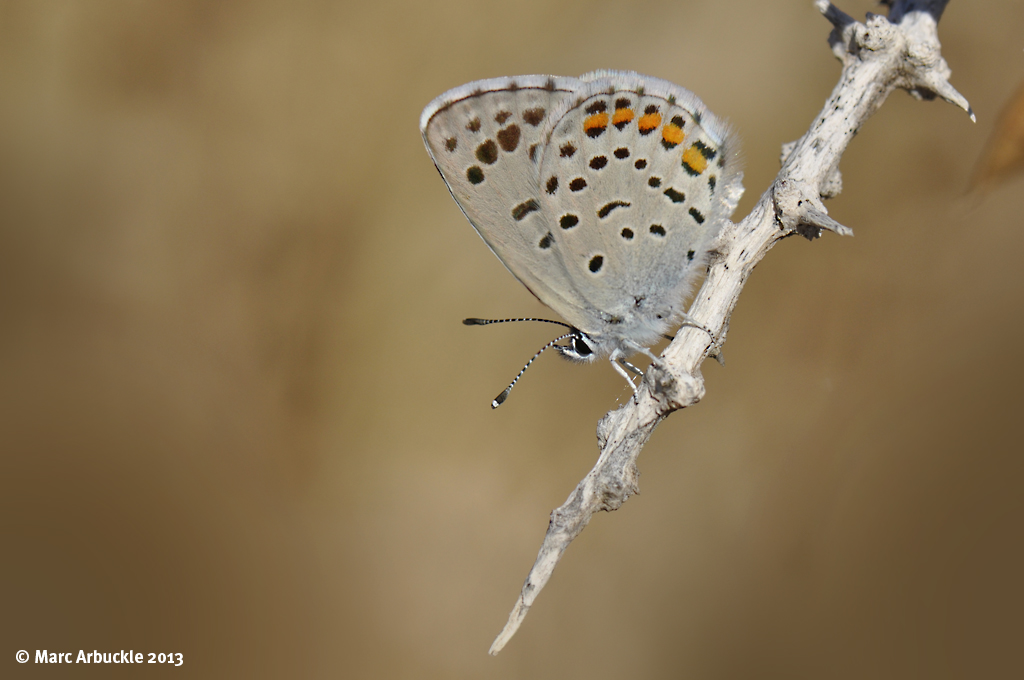
Eastern Baton Blue

Eastern Baton Blue butterfly – Pseudophilotes vicrama

Pseudophilotes vicrama

My recent trip to Cyprus was a little disappointing. Although I did get to see many hundreds of butterflies they proved remarkably difficult to photograph. For starters it was way hotter than expected, peaking at around 37 degrees. It was clear I’d misjudged the timing by 2 weeks to a month – the majority of the wildflowers were burnt to a crisp.
Read more

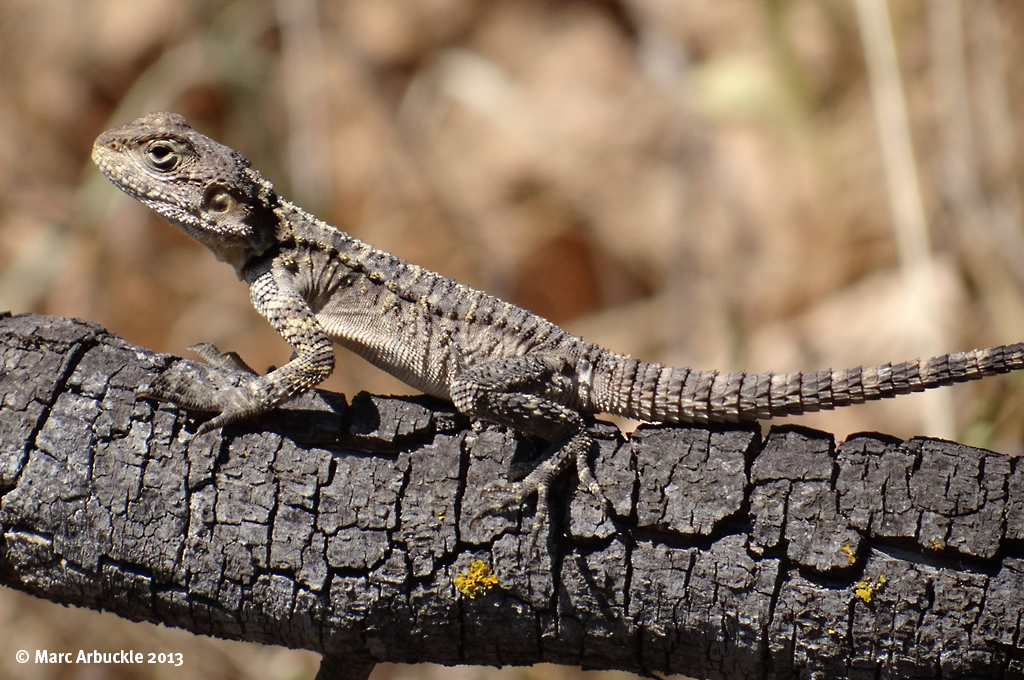
Starred Agama

Starred Agama – Laudakia stellio

Laudakia stellio

During my recent trip to Cyprus to photograph insects and butterflies I saw a lot of lizards. It was a bit of a herpetologist’s dream. In England we only have two lizards, the Viviparous and the Sand Lizard. In Cyprus there are eleven. The largest of which is the Starred Agama Laudakia stellio, also known as the Sling-tailed Agama, Star or Spiny Lizard. The Agamids, a very ancient order of reptiles are represented by only one species in Europe although there are over 300 world wide. However, there are many recognised subspecies throughout the mediterranean, particularly on the islands. Ladakia stellio cypriaca is endemic to Cyprus. Read more

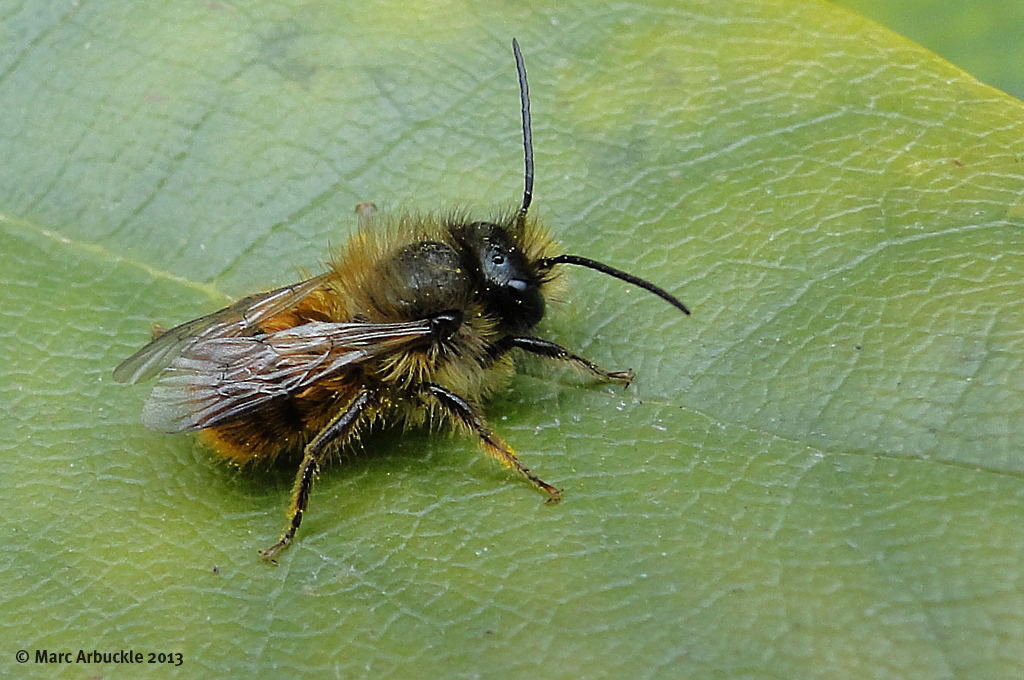
Red Mason Bee

Red Mason Bee – Osmia bicornis (Male)

Osmia bicornis – male

I really look forward to seeing these handsome little chaps each year. The Red mason bee Osmia bicornis is a species of solitary bee often seen in spring and early summer, usually from late March to early June, although this year due to the very cold weather they’ve been a little late. The males appear first, up to two weeks before the females and so like the male pictured above they spend a fair bit of time preening and sunbathing before the girls arrive.

These are extremely friendly bees. The male has no sting and the female will only sting if handled very roughly and even then the sting is very mild in comparison to the sting of a wasp, bumblebee or honey-bee. So these are good bees for children to get up close to and observe. Read more

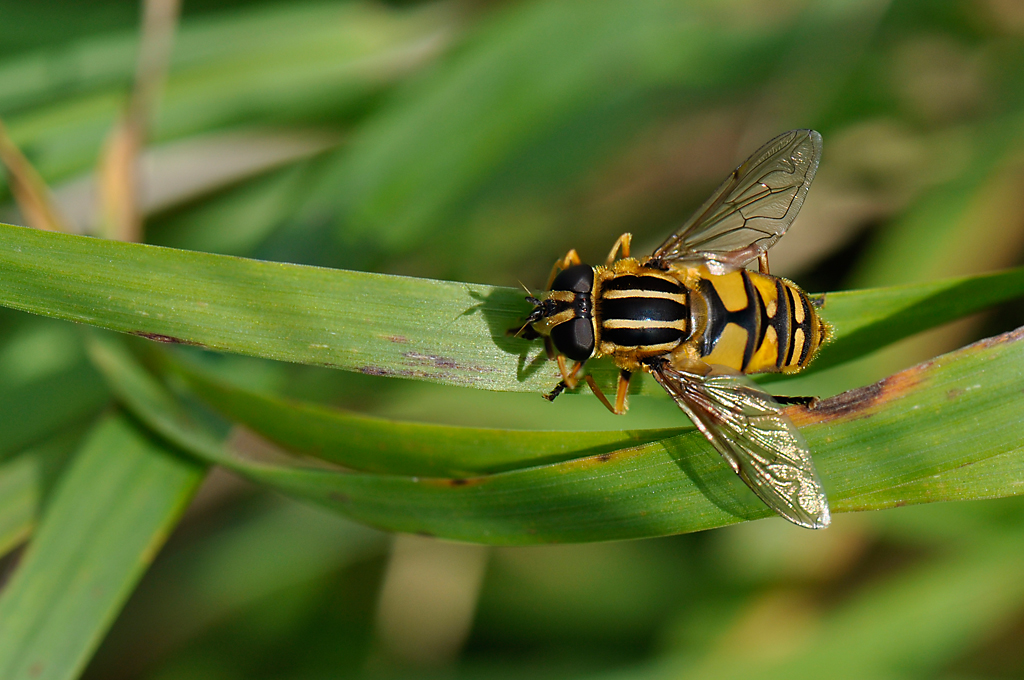
Sunbathing hoverfly

Hover-fly Helophilus pendulus

Helophilus pendulus

I took this photo of the Hoverfly Helophilus pendulus last September. Hoverflies seem to enjoy the sunshine and can often be found sunbathing. I believe this is the female. This species which is often found in gardens can be identified by its yellow face and black stripe between the eyes and the distinctive longitudinal stripes on its thorax.  Read more

Longhorn flower beetle

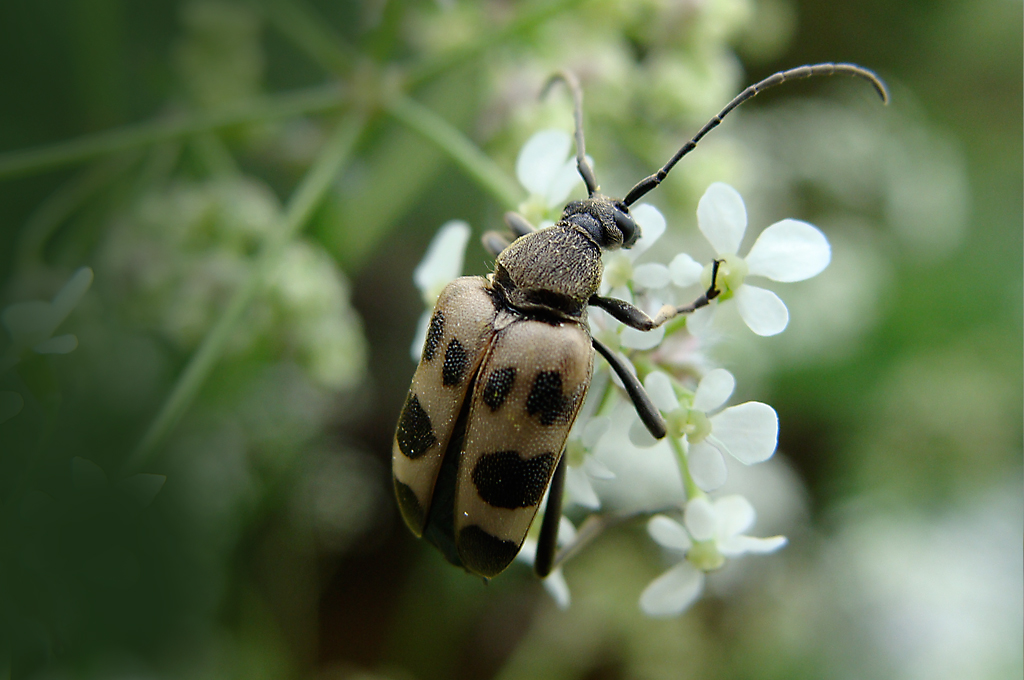
Longhorn flower beetle judolia cerambyciformis

judolia cerambyciformis

I came across this acrobatic beetle whilst walking along the banks of the river Rede in Northumbria in June 2008 whilst looking for Dippers. It’s a type of Longhorn flower beetle Judolia cerambyciformis found mainly in hilly and mountainous areas – this specimen was photographed on the edge of Keilder Forest. The larvae feed on the roots or the rotting wood of deciduous and coniferous trees before pupating below ground. The adults are between 7-12mm in length and are usually encountered on flowers from May to August. It’s a nationally scarce species so it was an unexpected bonus to find it. The species gets the name longhorn or long-horned from its very long antenna which are often longer than the body.

Read more

Clouded Border

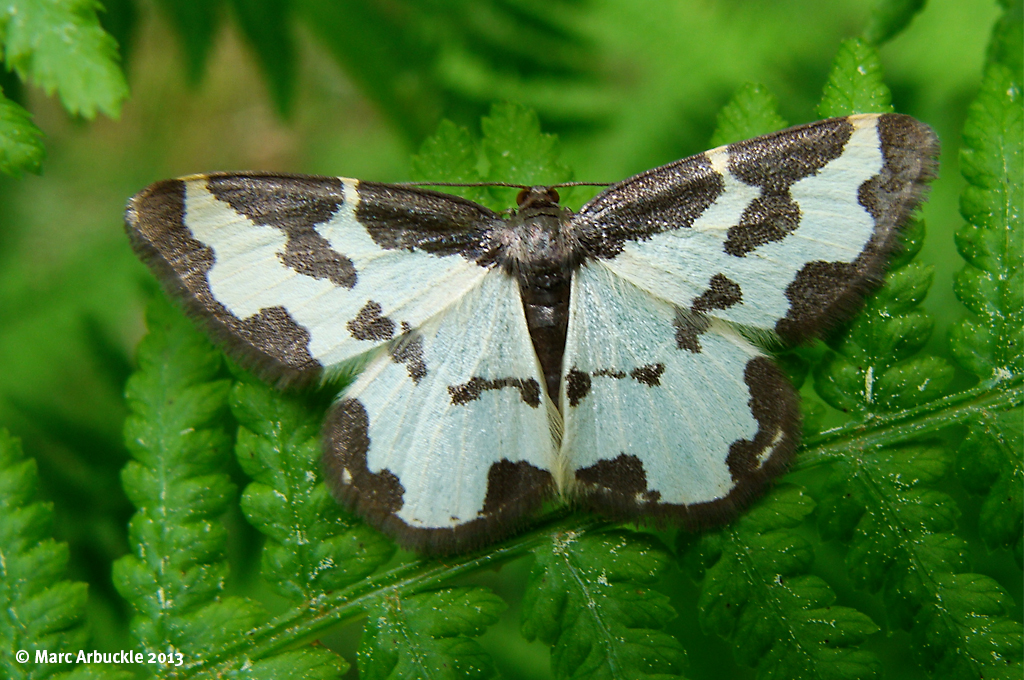
Clouded Border Moth – Lomaspilis marginata

Lomaspilis marginata

I came across this rather attractive black and white moth whilst walking in Keilder Forest in Northumbria. It’s a Clouded Border Lomaspilas marginata. Although it’s a night-flyer it can often be found resting on undergrowth during the day. Most often in woodland and with a preference for damper localities. Read more

Mother Shipton

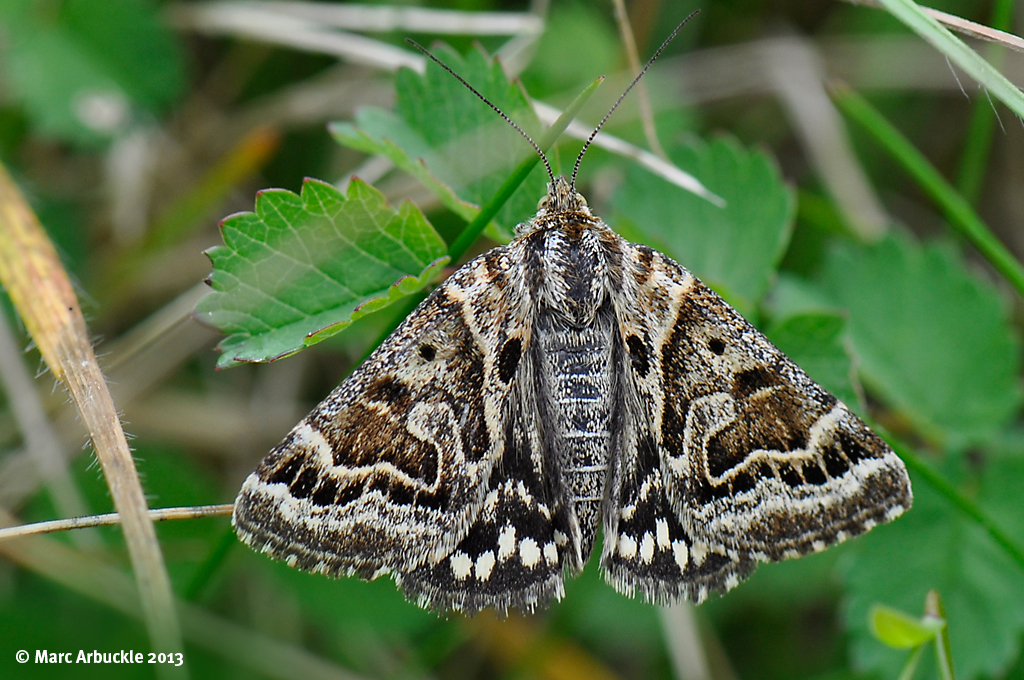
Mother Shipton Moth – Callistege mi

Callistege mi

One of the more unusual day flying moths I’ve encountered on Morgans Hill is the Mother Shipton Callistege mi which has a very distinctive cream-edged dark brown central blotch on each forewing which is said to resemble the face of an old hag or witch. Look and you’ll see a beady eye, long hooked nose, downturned mouth and knobbly chin. Read more