Skip to content

Posts tagged ‘uk’

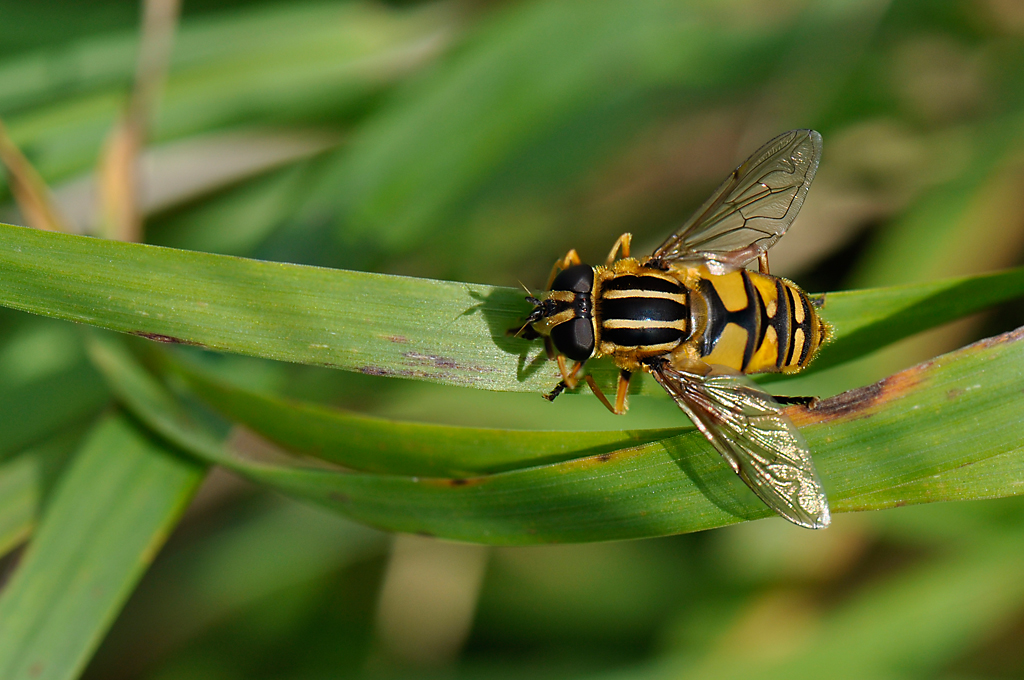
Sunbathing hoverfly

Hover-fly Helophilus pendulus

Helophilus pendulus

I took this photo of the Hoverfly Helophilus pendulus last September. Hoverflies seem to enjoy the sunshine and can often be found sunbathing. I believe this is the female. This species which is often found in gardens can be identified by its yellow face and black stripe between the eyes and the distinctive longitudinal stripes on its thorax.  Read more

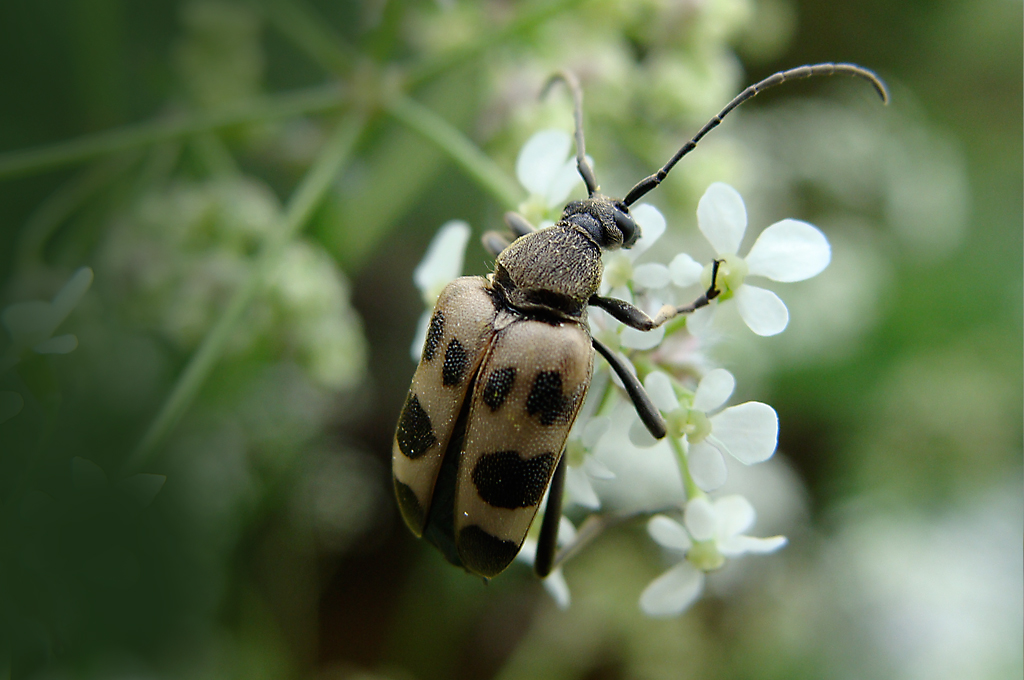
Longhorn flower beetle

Longhorn flower beetle judolia cerambyciformis

judolia cerambyciformis

I came across this acrobatic beetle whilst walking along the banks of the river Rede in Northumbria in June 2008 whilst looking for Dippers. It’s a type of Longhorn flower beetle Judolia cerambyciformis found mainly in hilly and mountainous areas – this specimen was photographed on the edge of Keilder Forest. The larvae feed on the roots or the rotting wood of deciduous and coniferous trees before pupating below ground. The adults are between 7-12mm in length and are usually encountered on flowers from May to August. It’s a nationally scarce species so it was an unexpected bonus to find it. The species gets the name longhorn or long-horned from its very long antenna which are often longer than the body.

Read more

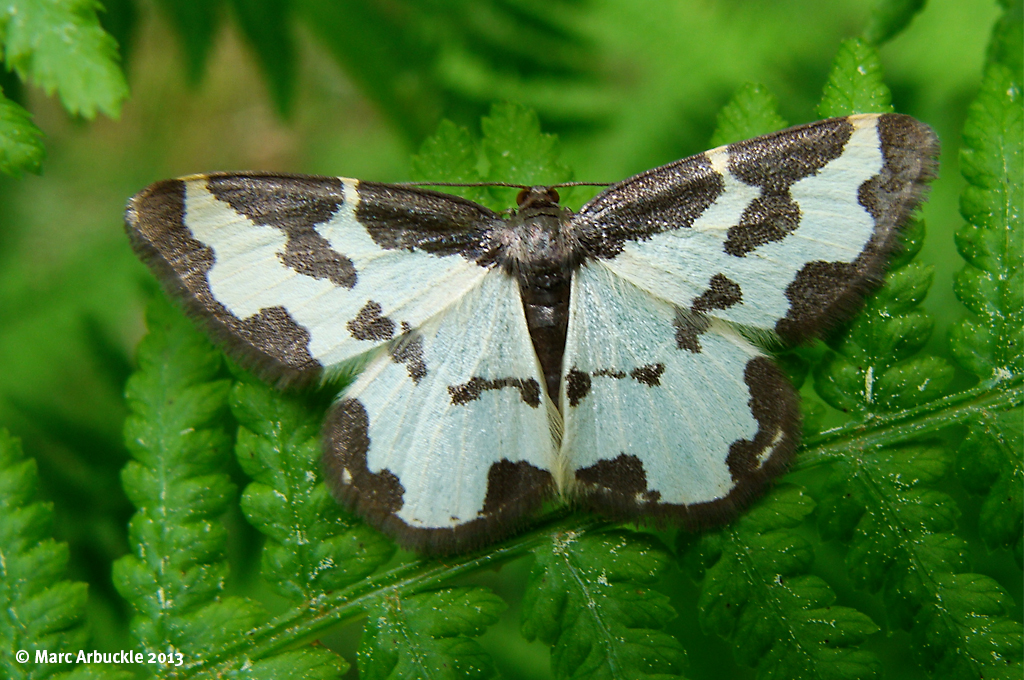
Clouded Border

Clouded Border Moth – Lomaspilis marginata

Lomaspilis marginata

I came across this rather attractive black and white moth whilst walking in Keilder Forest in Northumbria. It’s a Clouded Border Lomaspilas marginata. Although it’s a night-flyer it can often be found resting on undergrowth during the day. Most often in woodland and with a preference for damper localities. Read more

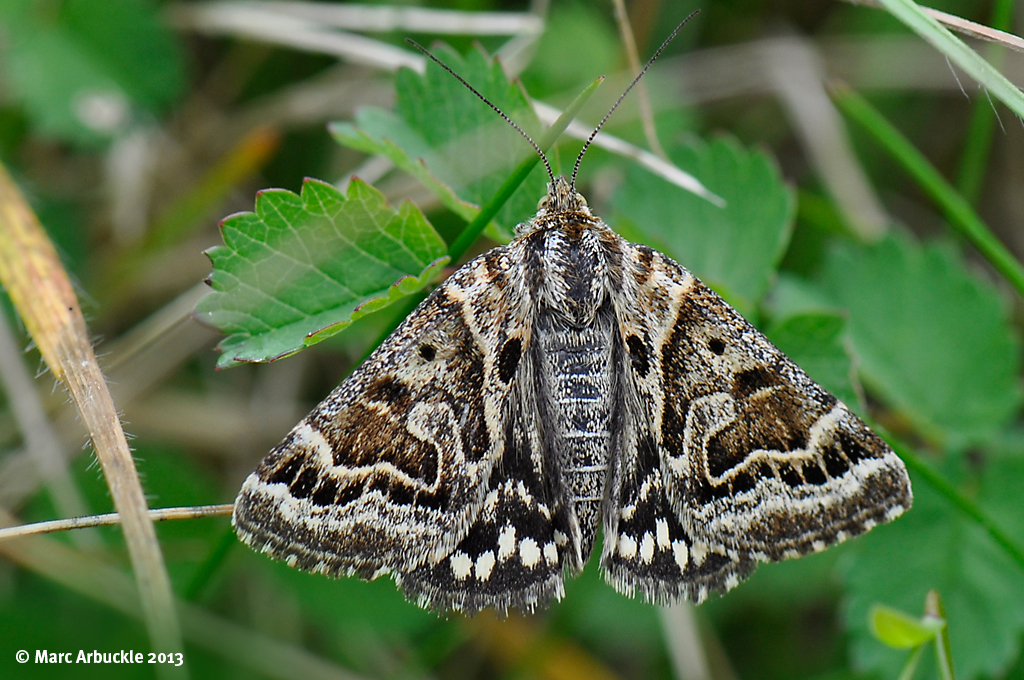
Mother Shipton

Mother Shipton Moth – Callistege mi

Callistege mi

One of the more unusual day flying moths I’ve encountered on Morgans Hill is the Mother Shipton Callistege mi which has a very distinctive cream-edged dark brown central blotch on each forewing which is said to resemble the face of an old hag or witch. Look and you’ll see a beady eye, long hooked nose, downturned mouth and knobbly chin. Read more

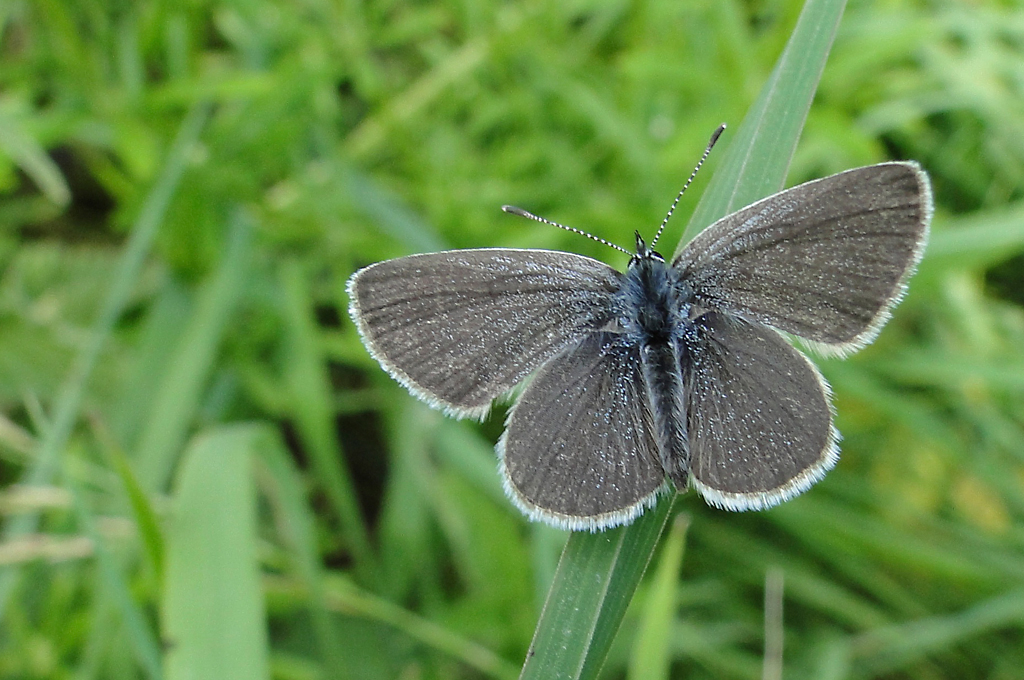
Small Blue – our smallest butterfly

Cupido minimus – Male

Cupido minimus – Male

When I saw my first Small Blue Cupido minimus I was surprised at just how tiny it is. The wingspan of our smallest butterfly can be as little as 16mm, so it’s well named. It’s rare though, being no more than locally common even in its strongholds of Gloucestershire, Wiltshire, Dorset and the Isle of Wight. Here in Wiltshire up on Morgan’s Hill I’ve only come across it in one sheltered spot and even there it’s largely confined to the base of one steep bank. Read more

Identifying digger

Cerceris rybyensis

Cerceris rybyensis – Male

I took this photo of this tiny little wasp in my garden back in early July but afterwards really struggled to identify it. My well-thumbed Guide to the Insects of Britain and Europe failed me. I didn’t even get to a genus, although I was pretty sure it was some kind of Digger Wasp. I had a look on the BWARS site, the website of the Bees, Wasps and Ants Recording Society http://www.bwars.com but blanked again. Read more

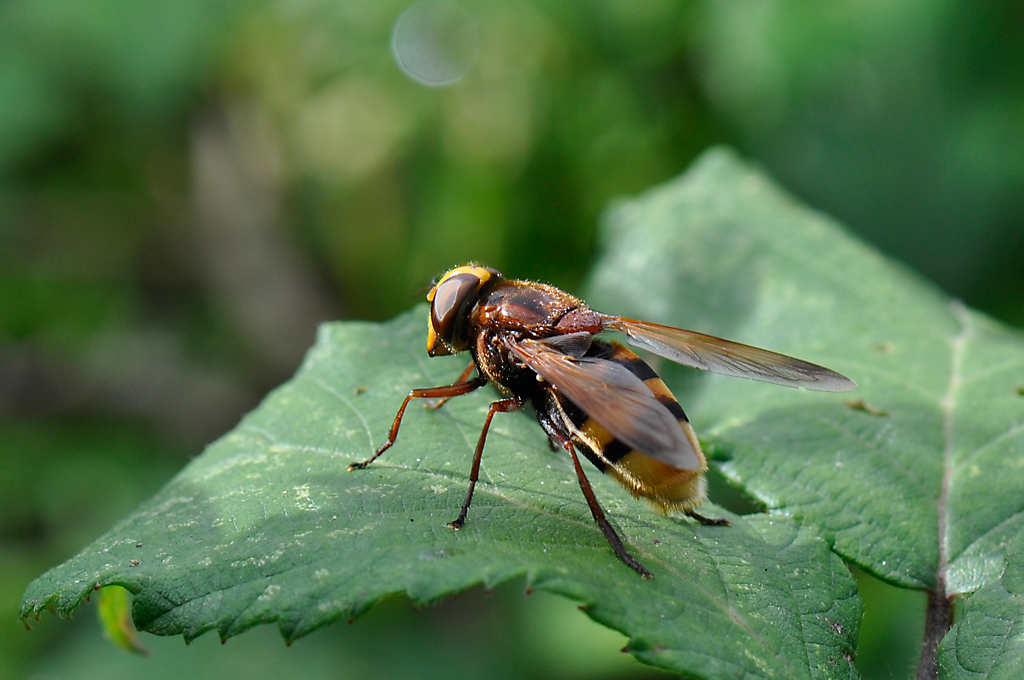
Hornet imitator (Volucella zonaria)

Volucella zonaria

Volucella zonaria

This is our largest Hover-fly Volucella zonaria and quite a whopper it is too at about 2cm in length. It’s a mimic of the hornet Vespa crabro. The female uses this disguise in order to lay eggs in the hornet’s nest, the parasitic offspring then feed on the victim’s larvaeThey’re not exactly common but easy enough to identify by their large size. As you can see it has a mainly orangey-yellow abdomen with dark bands, a yellow bottom and an almost varnished mahogany look to the thorax. And just look at those huge brown eyes and that big pointed yellow face. Once you’ve seen one they’re pretty unmistakeable. Read more

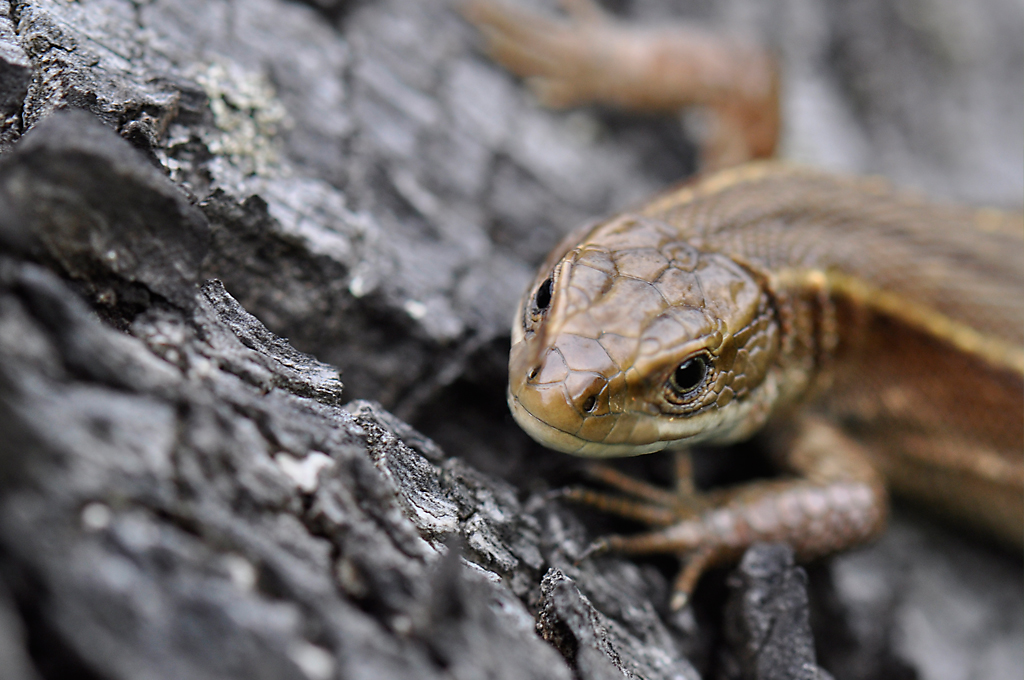
Viviparous Lizards

Viviparous Lizard - Female

Zootaca vivipara – Female

Whilst looking for butterflies in Bentley Wood I came across quite a few Viviparous Lizards Zootaca vivipara basking on some old grey tree stumps, clearly enjoying the sun. I must have seen over a dozen of them, plus many more scampering through the shorter dryer grass in the clearing. I find colour variation interesting and this is one species where both colour and pattern is quite variable. Read more

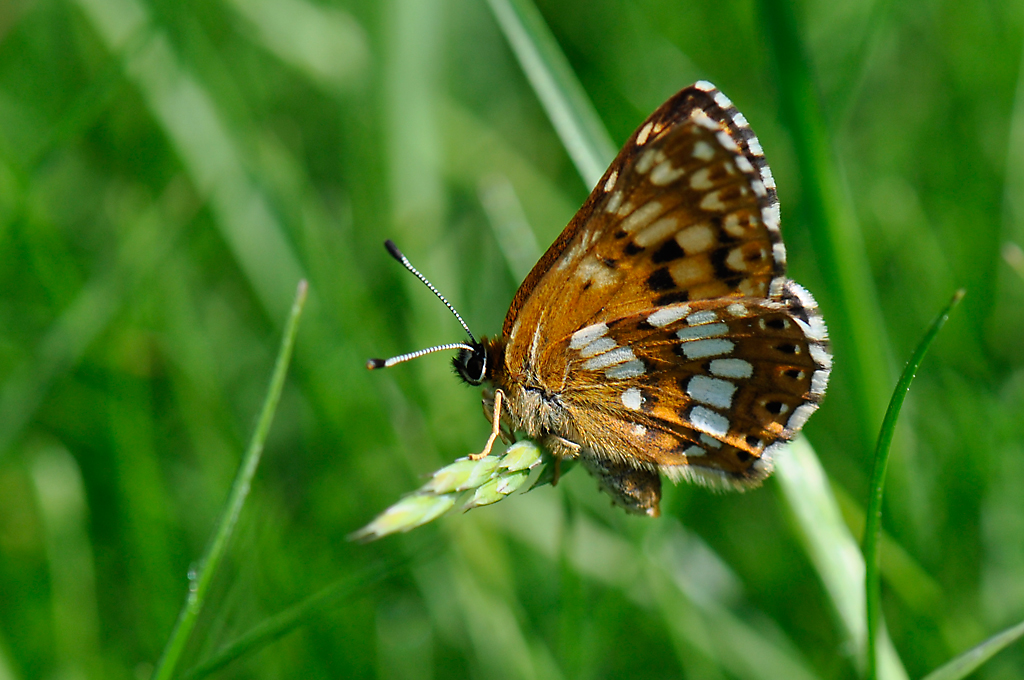
Searching for the duke

Duke of Burgundy butterfly - Side view

Hamearis lucina – Side view

Last April I saw my first ever Duke of Burgundy Hamearis lucina, or at least I’m pretty sure I did. To be fair all I saw was a fleeting flash of brown and orange. But then I was in the right place, ancient chalk downland, at roughly the right time, so I was reasonably confident, even for a novice.

Just over a year later, armed with two weeks’ leave and a new macro lens I was determined to do better. I’d read that the adults prefer mornings so I was out of bed and up on Morgans Hill before the dew had evaporated. My only concern was that the very wet April we’d just endured may have proved too much for them. With so few seen last year I was beginning to fear the worst. Read more

Seeking the sun worshipper

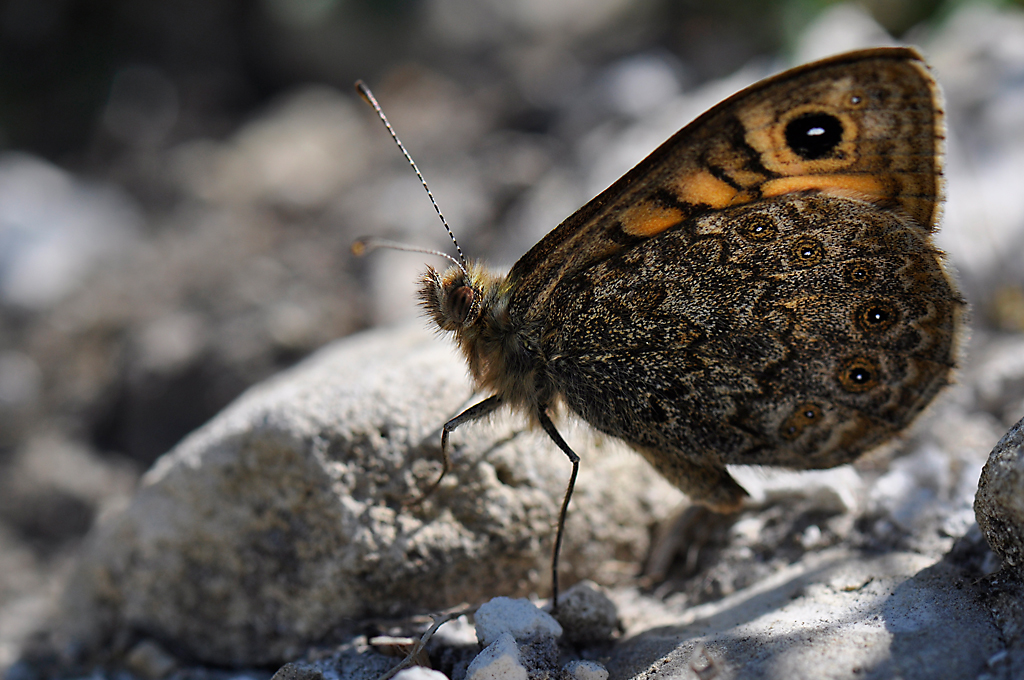
Wall Brown

Lasiommata megera

The Wall Lasiommata megera loves hot, sun-baked, dry ground and gets its name from its habit of basking on walls. So when I went looking for it up on Morgans Hill I headed straight for the chalk quarry in section 15 where I’d seen one late last year. On the way to the gate I noticed a patch of bare ground to the left of me, just in front of the fenced off juniper bushes and almost immediately a flicker of brown dropped down onto it. Was it really going to be this easy? I walked over slowly, spooking myself and a grazing rabbit as I got closer. Yep, it was a Wall, tricky to spot at first as it had its wings folded rather than outspread in classic sunbathing pose. As soon as it saw me though it danced off down the hill but then doubled back and landed again. It repeated this pattern several times as I attempted to get a photograph, obviously keen to defend its territory, so I lay down on the grass and simply waited for it to return.

Although it did briefly open its wings on landing it always closed them again before I had time to focus, so I opted for this side view. The undersides of butterflies are often overlooked but as you can see they can be equally impressive.